Careers after graduation
How to become a Race Engineer: Davide Girolami's Motorsport Journey
Creating Opportunities in Motorsport
When Davide started the Automotive Engineering bachelor program at HAN, a career in motorsport wasn't part of a grand plan.
"I didn't have a specific goal of working in motorsport. I was simply a car enthusiast who loved working on engines and trying to get more performance out of anything with wheels."
As his studies progressed, he discovered the many possibilities within the automotive industry, and his interest gradually developed into a clear ambition to work in racing.
Breaking into motorsport, however, proved challenging. Despite the many championships around the world, it remains a relatively small industry where personal connections often play an important role.
I actually had to ask HAN to postpone my final graduation assessment because I needed to attend the 24 Hours of Le Mans. Thankfully, the university was very understanding.
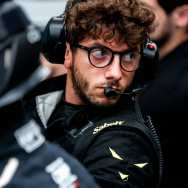
Without an existing network, Davide took matters into his own hands. He sent his CV to countless racing teams, attended race weekends, and introduced himself to as many people as possible.
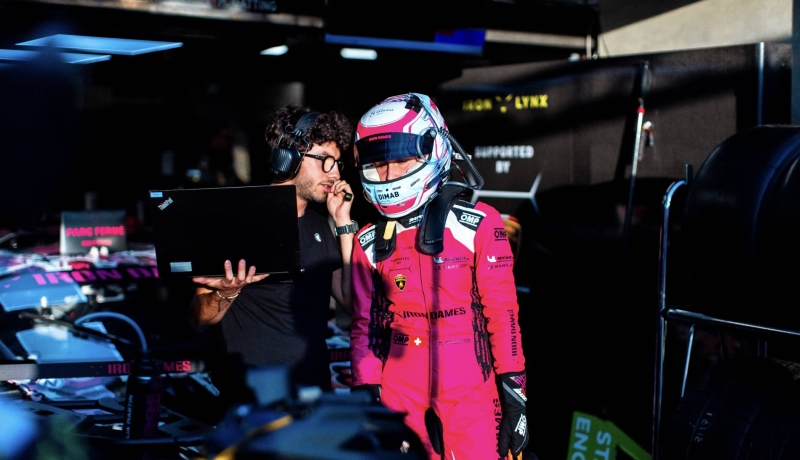
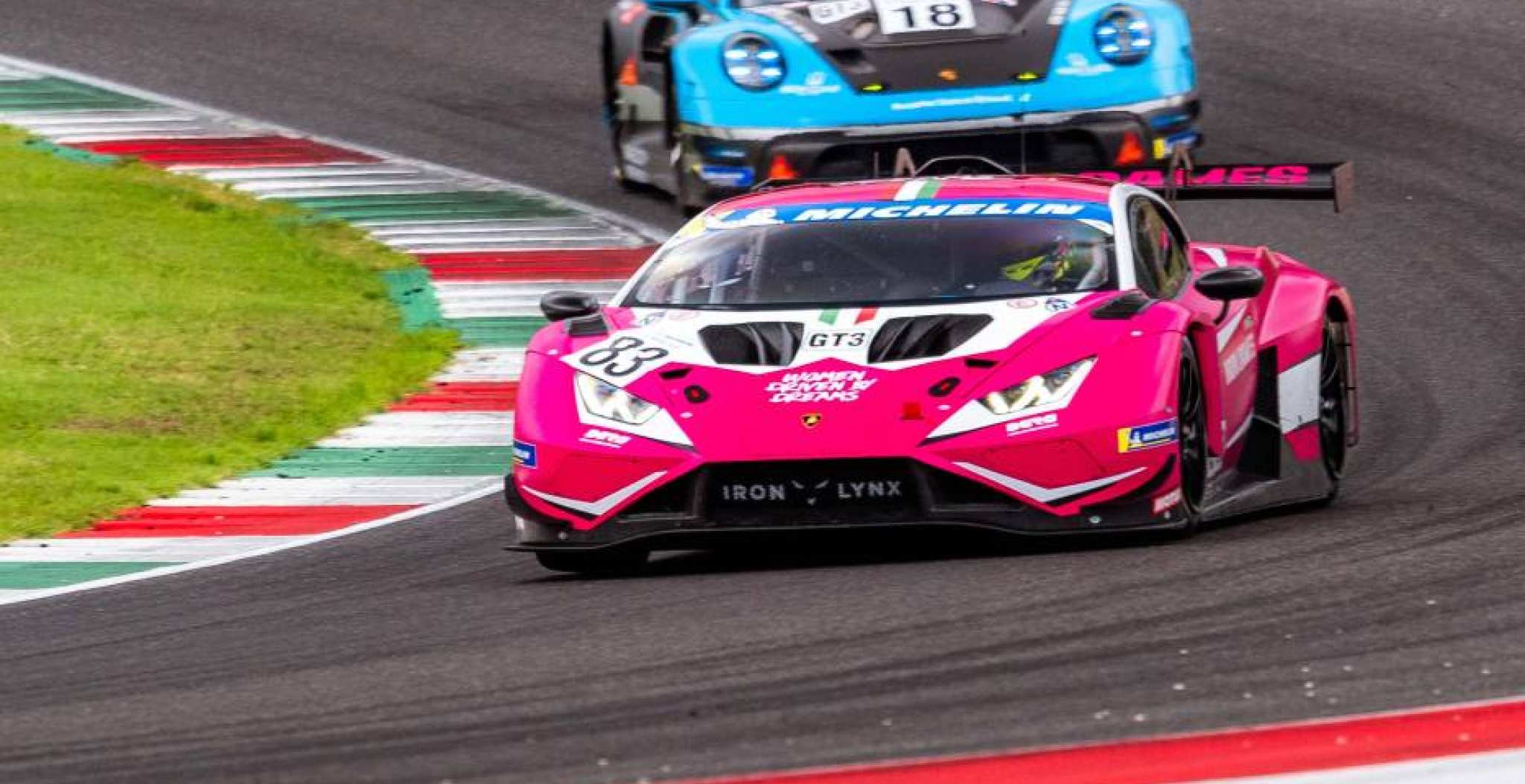
His persistence paid off when Iron Lynx Motorsport Lab invited him for an interview just hours after receiving his CV. He eventually moved back to Italy to complete his graduation project as a simulation engineer, helping develop the virtual model of the Lamborghini Huracán EVO2.
A few months later, he was offered the opportunity to work as a Performance Engineer in the Michelin Le Mans Cup, even before officially graduating.
"I actually had to ask HAN to postpone my final graduation assessment because I needed to attend the 24 Hours of Le Mans. Thankfully, the university was very understanding."
After graduation, Davide continued at Iron Lynx as a Data Engineer for Mercedes in the FIA World Endurance Championship (WEC). In 2026, he took the next step by becoming a freelance Race Engineer, working with multiple teams across different championships.
Looking back, he believes one lesson stands out above all others:
"Opportunities don't always come to you. Sometimes you need to go out and create them yourself."
Learning by Doing at HAN
According to Davide, one of HAN's biggest strengths is the balance between theory and practical experience.
The Automotive Engineering program provided a strong technical foundation, but it was the hands-on projects that prepared him for the realities of engineering.
"Engineering isn't just about calculations and theory. It's about solving real problems and finding practical solutions."
Many of the projects involved teamwork, teaching students how to communicate effectively, share responsibilities, and solve problems together. Those skills have proven invaluable in motorsport, where engineers, mechanics, and drivers must work closely under pressure.
Outside the classroom, Davide gained additional experience through HAN's student teams. He spent two years with HART (HAN Automotive Rally Team), serving as Chief Engine and contributing to the development of a brake cooling system for the team's Renault Clio rally car. At the same time, he joined HAN Formula Student, where he was responsible for the suspension system as Chief Suspension.
An internship at MTEE Turbochargers provided insight into the engineering processes of a large international company, while a Motorsport Engineering minor in Eindhoven helped transform his growing interest in racing into a clear career ambition.
Together, these experiences gave him the technical knowledge, practical skills, and confidence needed to enter a competitive industry.
Life as a Race Engineer
As a freelance race engineer, no two weeks are the same. Davide spends approximately 150 days every year at racetracks, split between testing sessions and race weekends. But much of the work takes place away from the circuit.
Before each event, he analyses previous data, studies track characteristics, and prepares technical information for drivers and teams. During race weekends, the focus shifts to performance analysis, setup optimization, and strategy decisions, often under intense time pressure.
Away from the track, he's also developing his own software platform designed to streamline race operations.
"I'm working on software that can replace countless Excel spreadsheets and bring together setups, strategy, tyre pressures, vehicle dynamics, and much more into a single application."

One of the greatest benefits of freelancing, he says, is the variety.
"I enjoy working with different teams, meeting new people, and having some flexibility in how I organize my work."
The Reality Behind the Glamour
To many people, motorsport looks like a dream career. Traveling around the world, working with race cars, and spending weekends at famous circuits certainly sounds glamorous.
And in many ways, Davide says, it is.
"From the outside, motorsport looks like a dream job. And in many ways, it really is."
However, the reality behind the scenes can be demanding. Long hours, constant travel, and high-pressure situations are part of everyday life.
"There are periods when you might have only three days off in an entire month. Being away from home, family, and friends for so long isn't always easy."
That is why he believes passion alone is not enough. Success in motorsport also requires adaptability, resilience, and strong interpersonal skills.
Over time, the people you work with become much more than colleagues.
"When you spend so much time traveling and working together, your team becomes something like a second family. You share the pressure, the difficult moments, and the long nights, but also the satisfaction of achieving something together."
Especially at the beginning of your career, gaining experience, building relationships, and learning from experienced professionals can open the door to much better opportunities in the future.
More Than a Starting Salary
While many students are curious about earning potential, Davide encourages soon-to-be graduates to focus on experience first.
In motorsport, freelance engineers may begin with day rates of around €150 to €200. As experience and responsibilities grow, those rates can increase significantly. Today, Davide typically charges between €350 and €450 per day, while highly experienced engineers at the top levels of motorsport can earn considerably more.
However, he stresses that freelancing comes with additional responsibilities, including taxes, insurance, and periods without assignments.
His advice is straightforward:
"Don't focus exclusively on the initial salary. Especially at the beginning of your career, gaining experience, building relationships, and learning from experienced professionals can open the door to much better opportunities in the future."
For Davide Girolami, that mindset helped transform a lifelong passion for cars into a career in professional motorsport, proving that determination and initiative can take you further than you might imagine.
You might be interested in